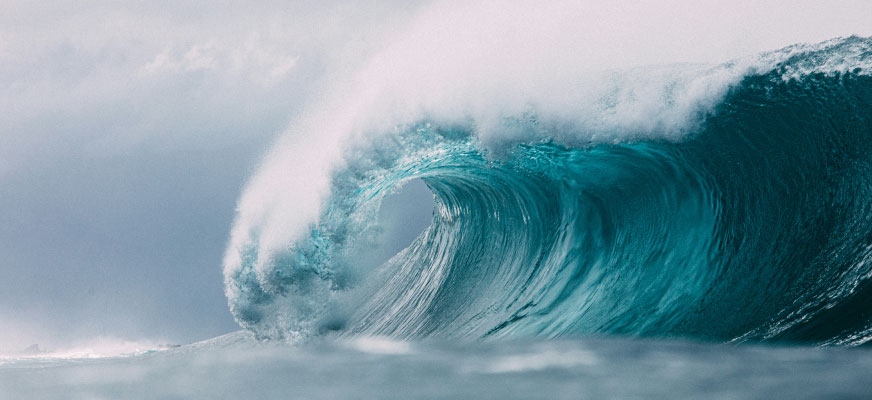
Catching the perfect wave is the dream of every surfer, whether you’re just starting or a seasoned pro. But how do you consistently find those magic waves? It’s not just luck—it’s a combination of knowledge, observation, and experience. Here’s a guide to help you spot the best waves every time.
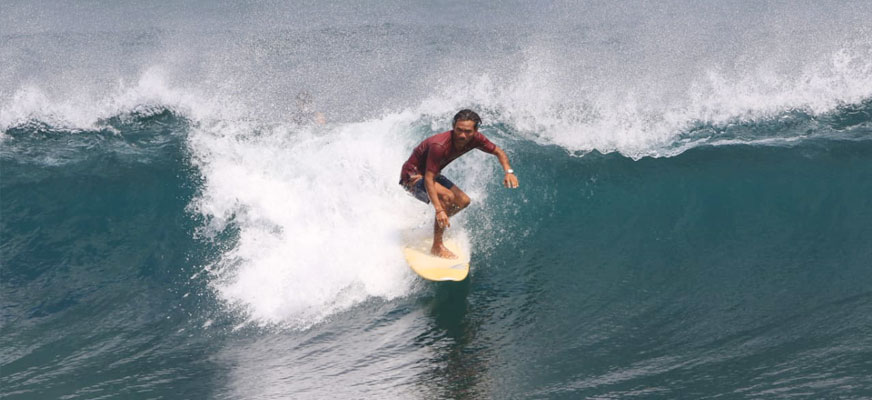
1. Understand Wave Formation
Waves are formed by wind blowing over the surface of the ocean. The size and quality of the waves depend on:
- Wind strength: Stronger winds generate bigger waves.
- Wind duration: The longer the wind blows, the more energy is transferred into the water.
- Fetch: The distance over which the wind blows across the water.
A good understanding of these elements will help you predict when and where good waves will form.
2. Study the Swell
A swell is a group of waves traveling across the ocean. To find the best waves:
- Check swell direction: Different beaches work best with specific swell directions. For example, a south-facing beach might need a southerly swell.
- Look at swell period: This is the time between waves, measured in seconds. Longer periods (10-20 seconds) indicate stronger, more consistent waves.
Use surf forecast websites or apps like Surfline or Magicseaweed to monitor swell conditions.
3. Know Your Spot
Every surf spot is unique. To get the best waves:
- Learn the tide dynamics: Some spots are better at low tide, while others shine at high tide.
- Understand the bottom contour: Reefs, sandbars, and points shape how waves break.
- Pay attention to wind: Offshore winds create clean, well-formed waves, while onshore winds tend to make waves choppy.
A good understanding of these elements will help you predict when and where good waves will form.
4. Observe Before You Paddle Out
Spend 10-15 minutes watching the waves before entering the water. Ask yourself:
- Are the waves breaking consistently?
- Where are the sets forming?
- How many surfers are in the lineup?
This brief observation period helps you find the best spot to position yourself and increases your wave count.
5. Use Technology to Your Advantage
Apps and cameras can make spotting waves easier:
- Webcams: Check live surf cams for real-time wave conditions.
- Forecast apps: Track swell, tide, and wind conditions.
- Buoys: Monitor data from offshore buoys to understand incoming swells.
Leave a Reply